| Monday: | CLOSED |
|---|---|
| Tuesday: | 11:00 – 20:00 |
| Wednesday: | 11:00 – 20:00 |
| Thursday: | 11:00 – 20:00 |
| Friday: | 11:00 – 20:00 |
| Saturday: | 11:00 – 17:00 |
| Sunday: | 11:00 – 17:00 |
| Monday: | CLOSED |
|---|---|
| Tuesday: | 11:00 – 20:00 |
| Wednesday: | 11:00 – 20:00 |
| Thursday: | 11:00 – 20:00 |
| Friday: | 11:00 – 20:00 |
| Saturday: | 11:00 – 17:00 |
| Sunday: | 11:00 – 17:00 |
A painting from Rembrandt’s workshop is placed on deposit at
The Nivaagaard Collection
13. Janurary 2026
Nivaagaard’s Painting Collection receives the work Tronie of an Elderly Man (c. 1645–1649) on deposit. The painting, which has had a turbulent history, was previously sold as an authentic work by Rembrandt and later identified as a copy — internationally known as a ‘dark horse’ that ought to disappear. Ongoing research suggests that the work was most likely produced in Rembrandt’s workshop
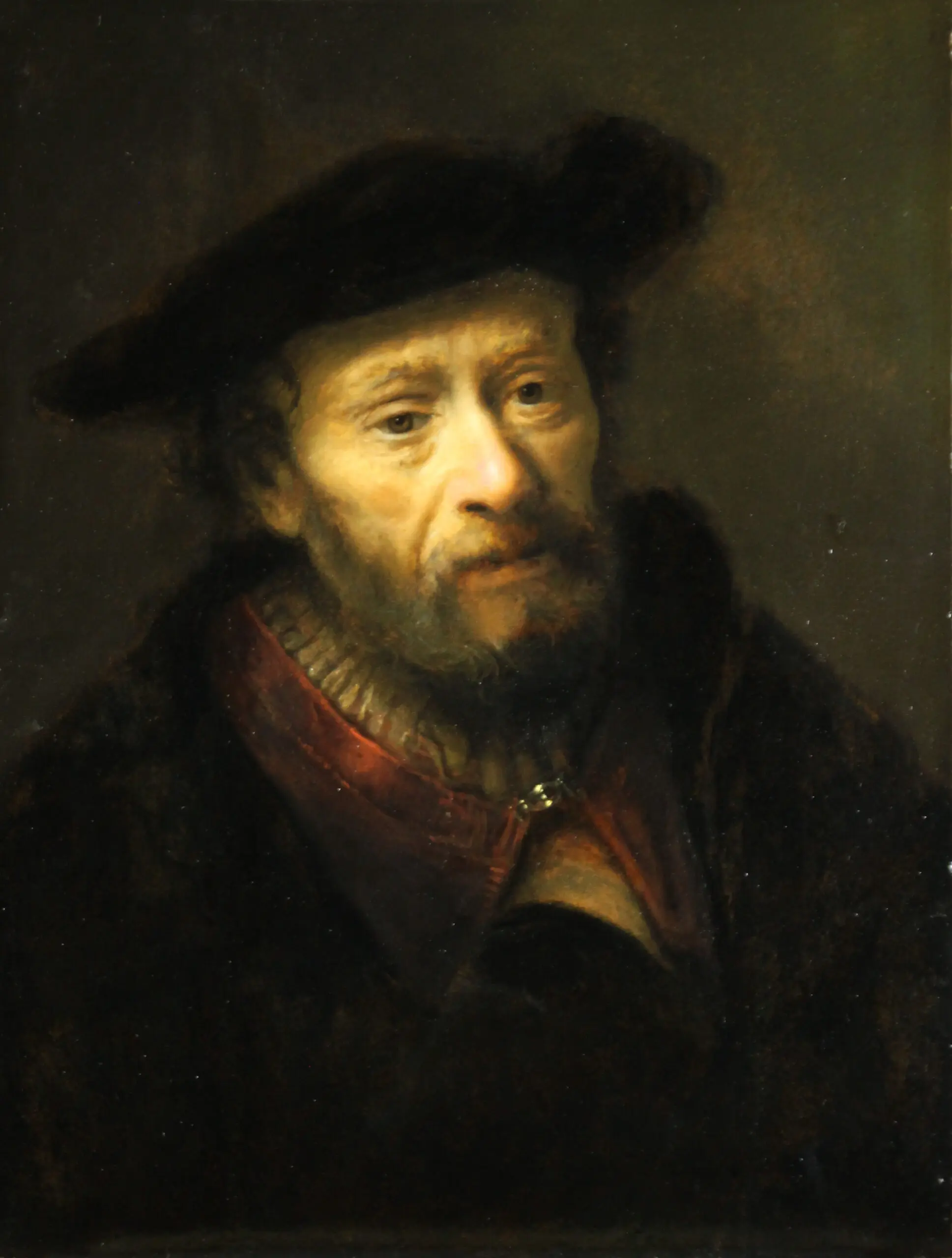
Attributed to the workshop of Rembrandt
Tronie of an Elderly Man, c. 1645-1649
Oil on panel, 54,8 x 41,3 cm cm
Deposit, private collection
Learn more HERE
Press

"Maleriet med den omtumlede skæbne er tidligere blevet solgt som et ægte Rembrandt-værk og siden hen identificeret som en kopi - internationalt kendt som en 'dark horse', der burde forsvinde."
//
UK:
" The painting, which has had a turbulent history, was previously sold as an authentic work by Rembrandt and later identified as a copy—internationally known as a ‘dark horse’ that ought to disappear"

"A mysterious "Rembrandt" resurfaces in Denmark after a century of debate"
The Christoph Müller Foundation donates two works by Janus la Cour to The Nivaagaard Collection following the special exhibition Janus la Cour. Silence.
9. Janurary 2026
The Nivaagaard Collection has been gifted two works by Janus la Cour by the Christoph Müller Foundation, which also contributed a large number of loans to the special exhibition Janus la Cour. Silence in 2025. The gift comprises two paintings: one from Janus la Cour’s beloved Djursland—also used as the exhibition’s signature image — Helgenæs Coast with Stones (1875), and one from his preferred travel destination, Italy: Coast of Sorrento I (1866). We are grateful that these works now form part of the collection, which also includes la Cour’s The Castle of Chillon on Lake Geneva (1876).
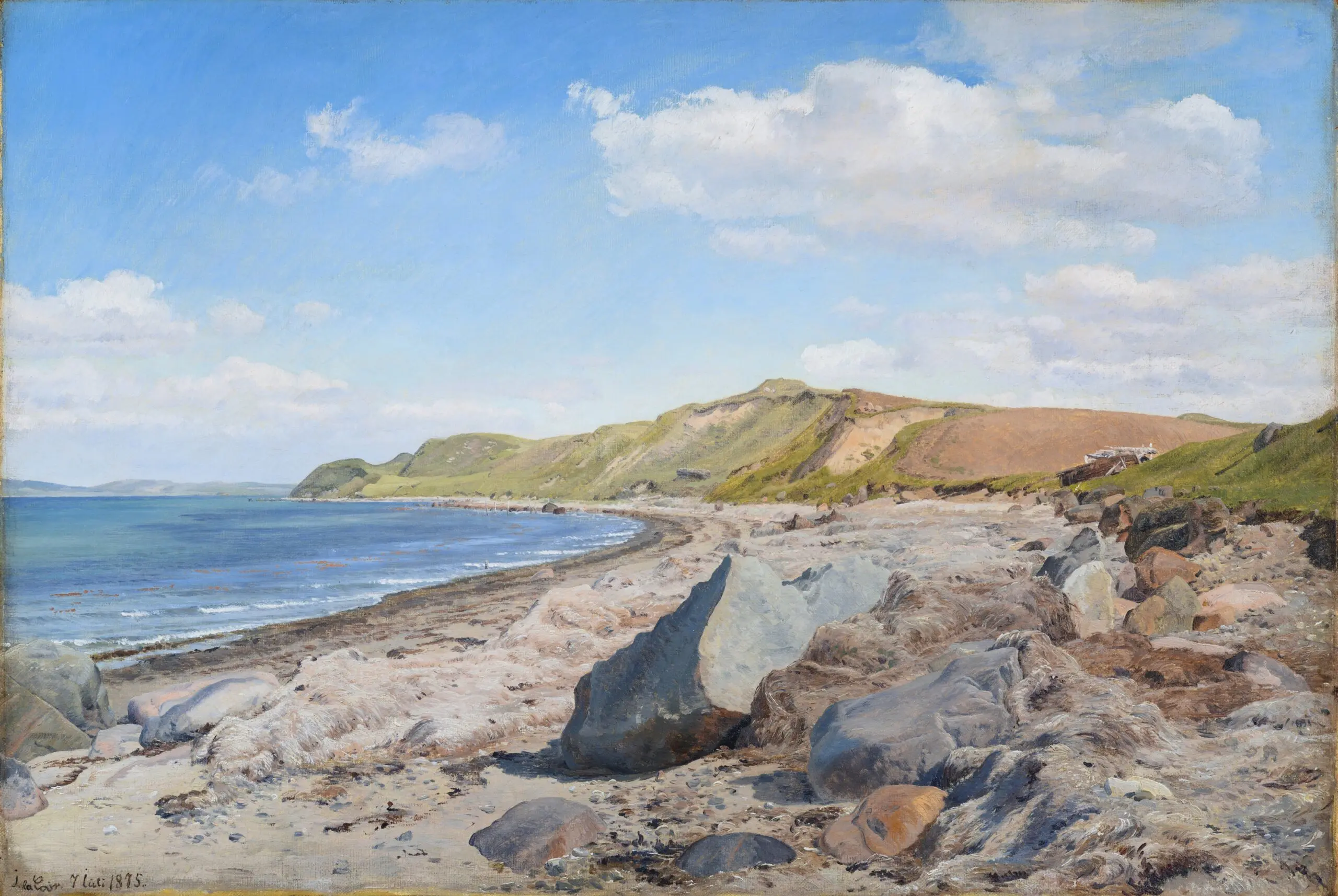
Janus la Cour
Helgenæs Coast with Stones, 1875
Oil on canvas, 45,5 × 66,5 cm
Donated by Christoph Müller Foundation, 2025
Learn more HERE
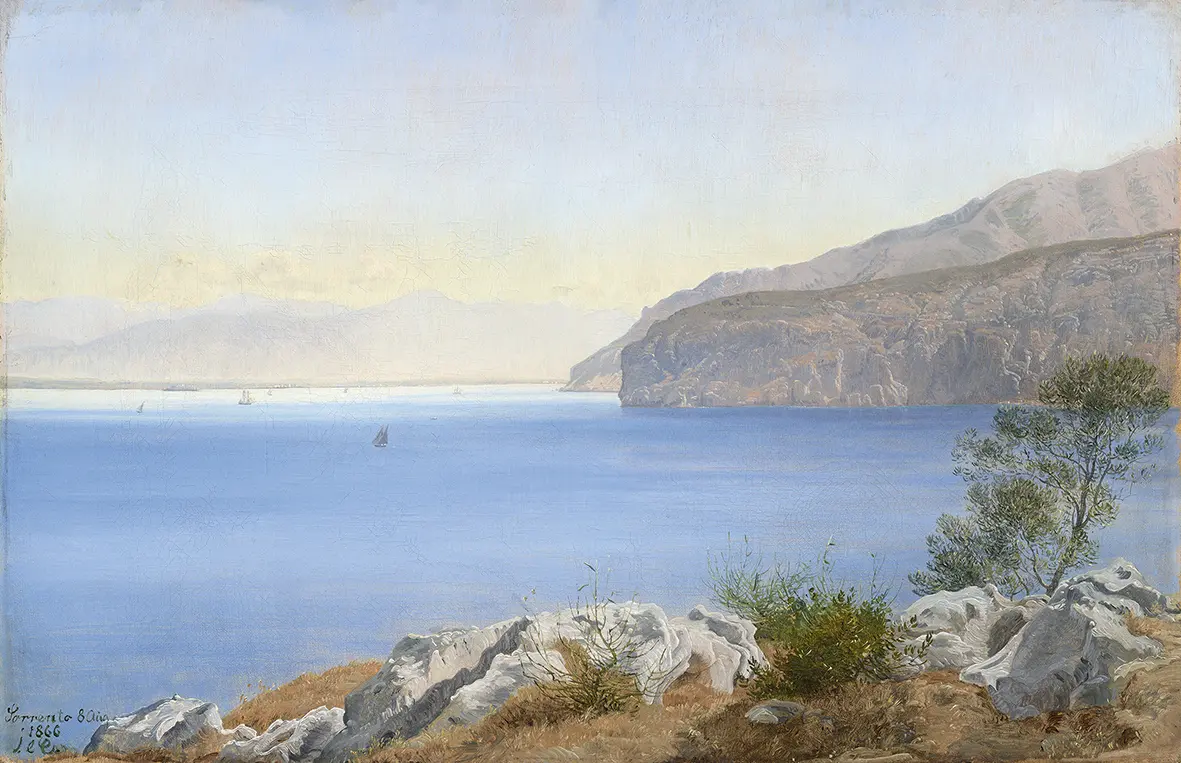
Janus la Cour
Coast of Sorrento I , 1866
Oil on canvas, 38,5 × 59,5 cm
Donated by Christoph Müller Foundation, 2025
Learn more HERE
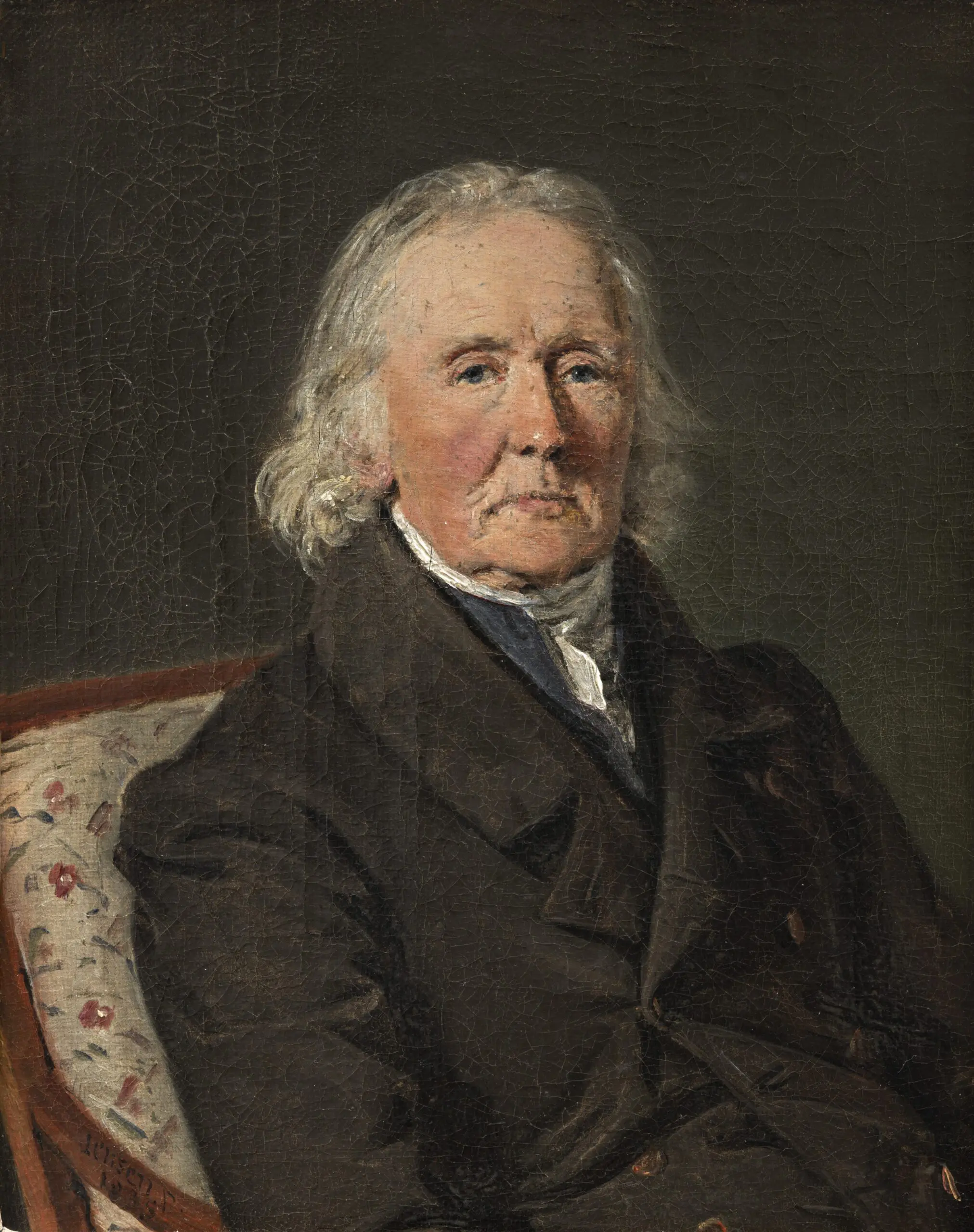
Barbara and Jens Hage donates C.A. Jensens portrait of Christopher Friedenreich Hage to The Nivaagaard Collection
19 December 2025
The portrait depicts Jens Hage’s great-great-great-grandfather, who is also the grandfather of the museum’s founder, Johannes Hage. The painting collection owns several family portraits by C.A. Jensen, who was among the most skilled and popular portrait painters of the 19th century. Using the finest little brush, the vivid hair and Christopher’s expression are brought to life. He also closely resembles himself in another well-known work in the collection by Wilhelm Marstrand.
Several of the museum’s regular visitors will recognize Christopher Friedenreich Hage from Marstrand’s large double portrait, which hangs in the museum’s reception. Here we see the merchant Christopher Friedenreich Hage (1759–1849) from Stege on the island of Møn together with his wife, Christiane Arnette Hage, and at his feet the family dog, Fenris. This painting was commissioned by Alfred Hage, Johannes Hage’s father, on the occasion of his parents’ golden wedding anniversary.
The Nivaagaard Collection acquires a new masterpiece by
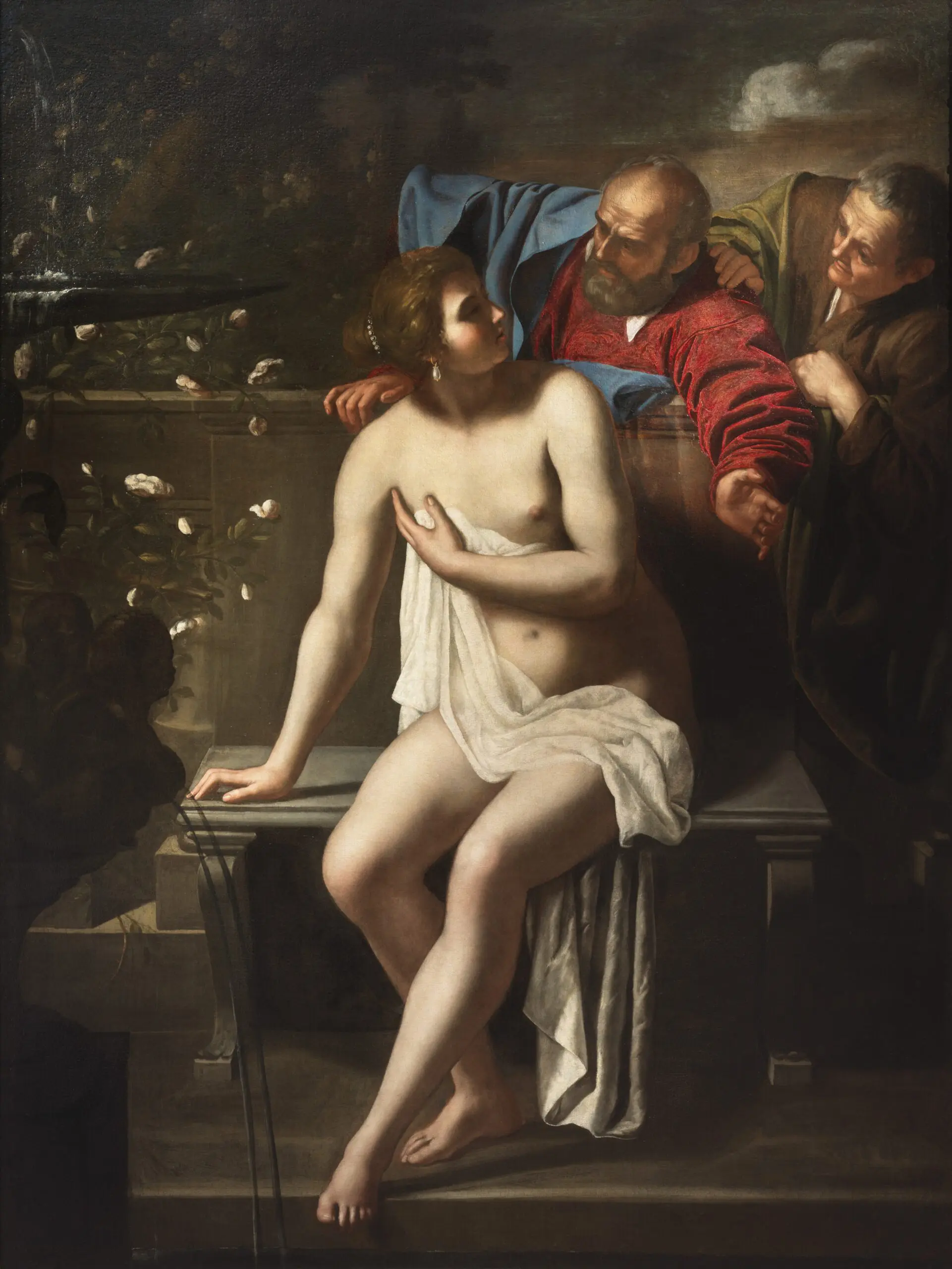
Artemisia Gentileschi
5 September 2025
Aided by generous donations from the New Carlsberg Foundation and the Aage and Johanne Louis-Hansen Foundation, The Nivaagaard Collection has acquired the painting Susanna and the Elders (1644–48) by the eminent female Italian Baroque painter Artemisia Gentileschi. The work is the most important addition made to the collection since 1908; a collection which also includes a masterpiece by another of art history’s major female pioneers, the sixteenth-century artist Sofonisba Anguissola.
Press

"With the purchase of Susanna and the Elders, the Nivaagaard in Denmark is thought to have more Renaissance and baroque women in its collection than the Louvre."
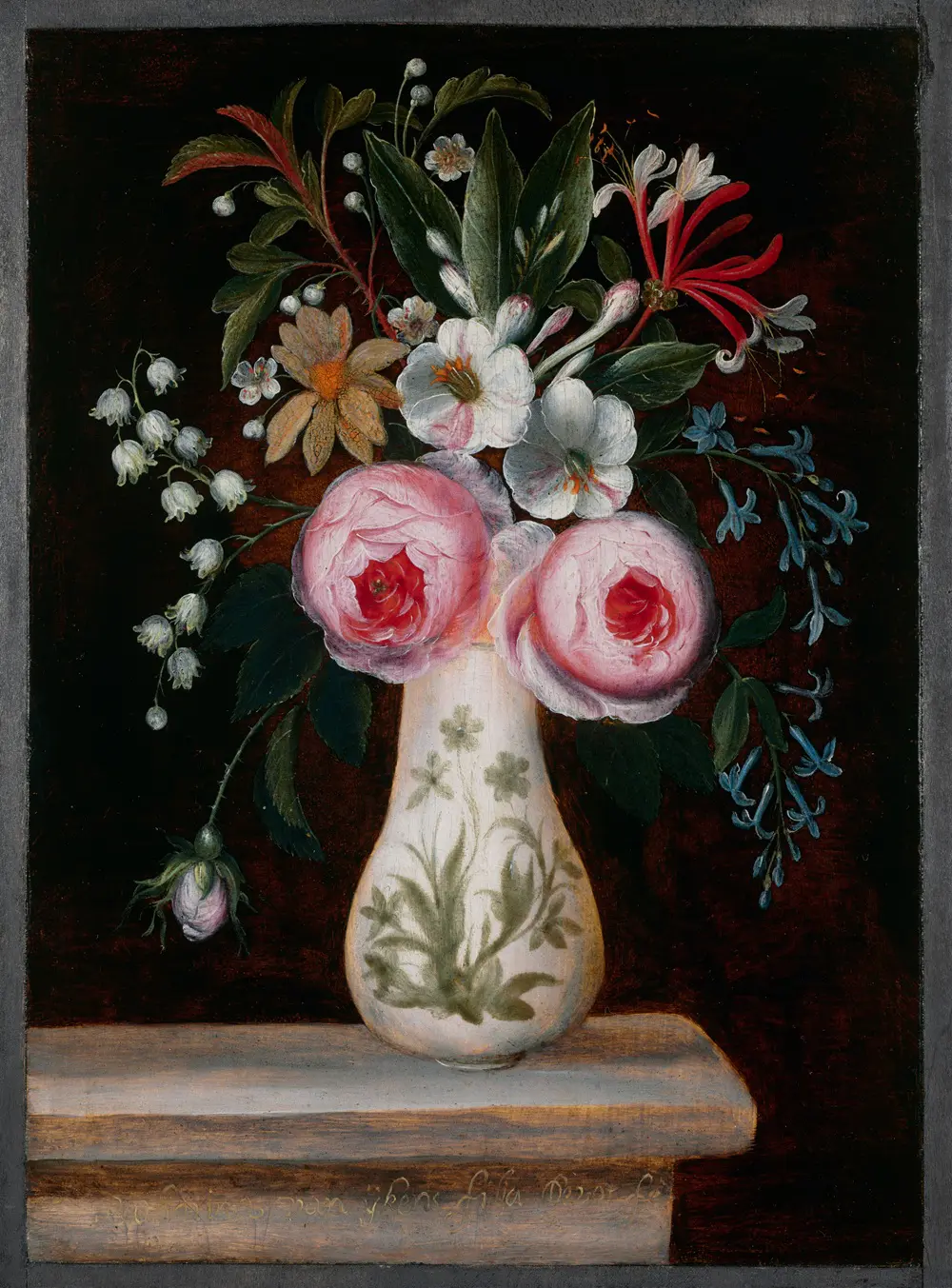
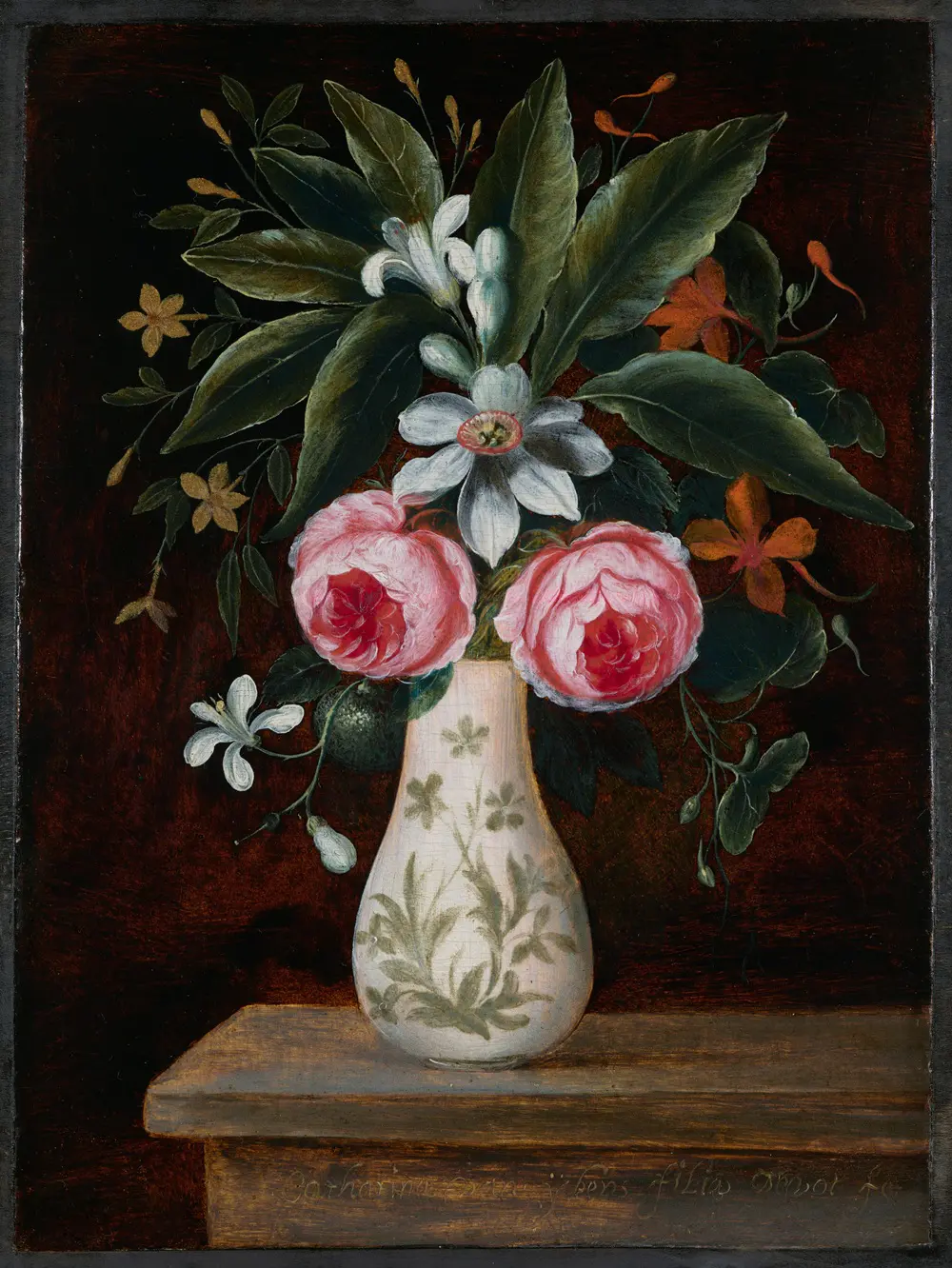
The Nivaagaard Collection acquires two of the six known paintings by the Flemish artist Catharina Ykens II
13 june 2025
Catharina Ykens II (1659 – after 1689) was born into an artistic family in Antwerp. Her father, uncle, and brother were all painters, and Ykens II herself is also recorded professionally as a painter. She was around 28 years old when she painted the two pendant works: ornate porcelain vases stand at either end of a stone table, holding floral arrangements of pink roses, lily of the valley, auriculas, daffodils, honeysuckle, hyacinths, orange blossom, jasmine, and nasturtiums. The addition of “filia devot” after her name in the paintings’ inscriptions suggests that she was likely affiliated with the Church, though not as a nun.